
 Save
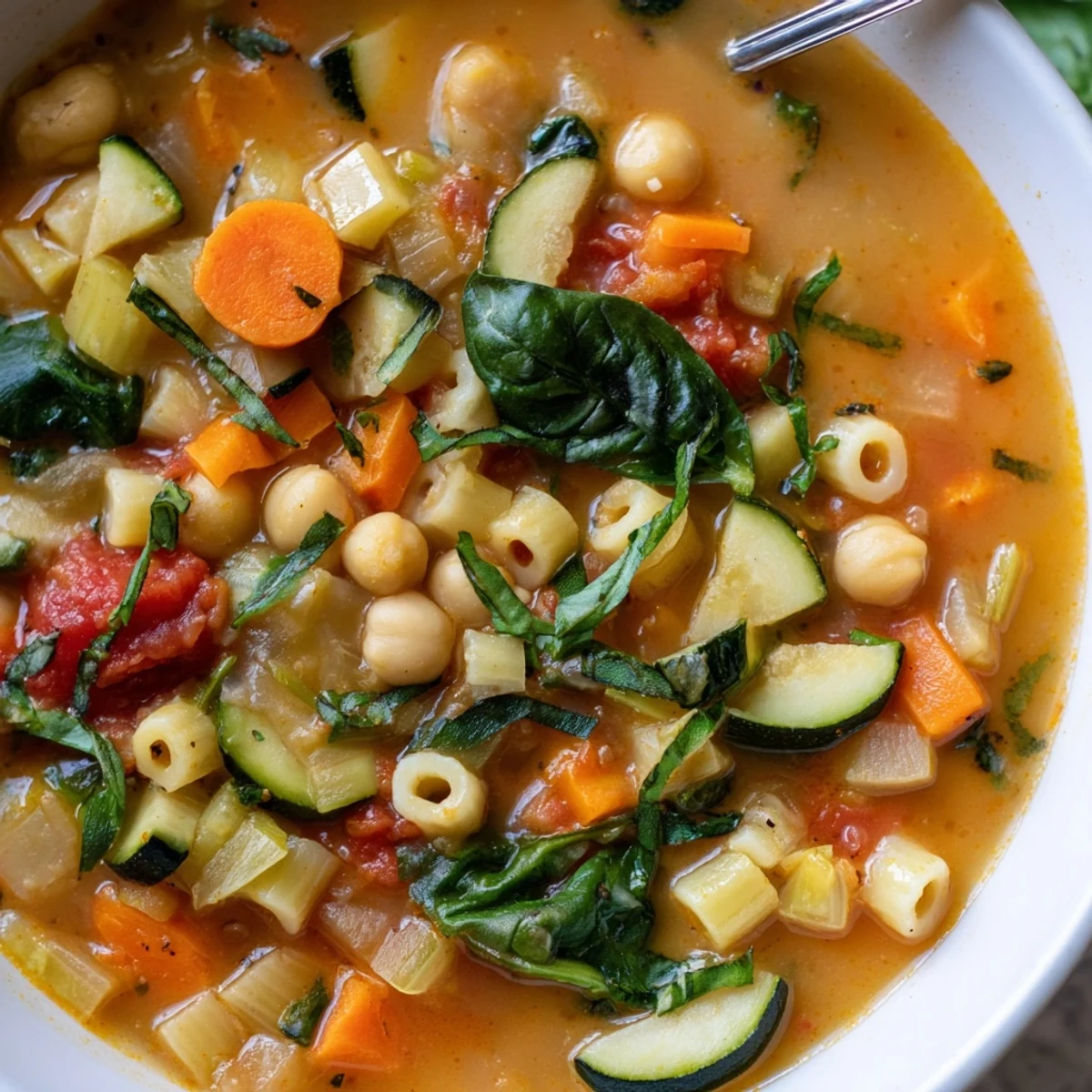
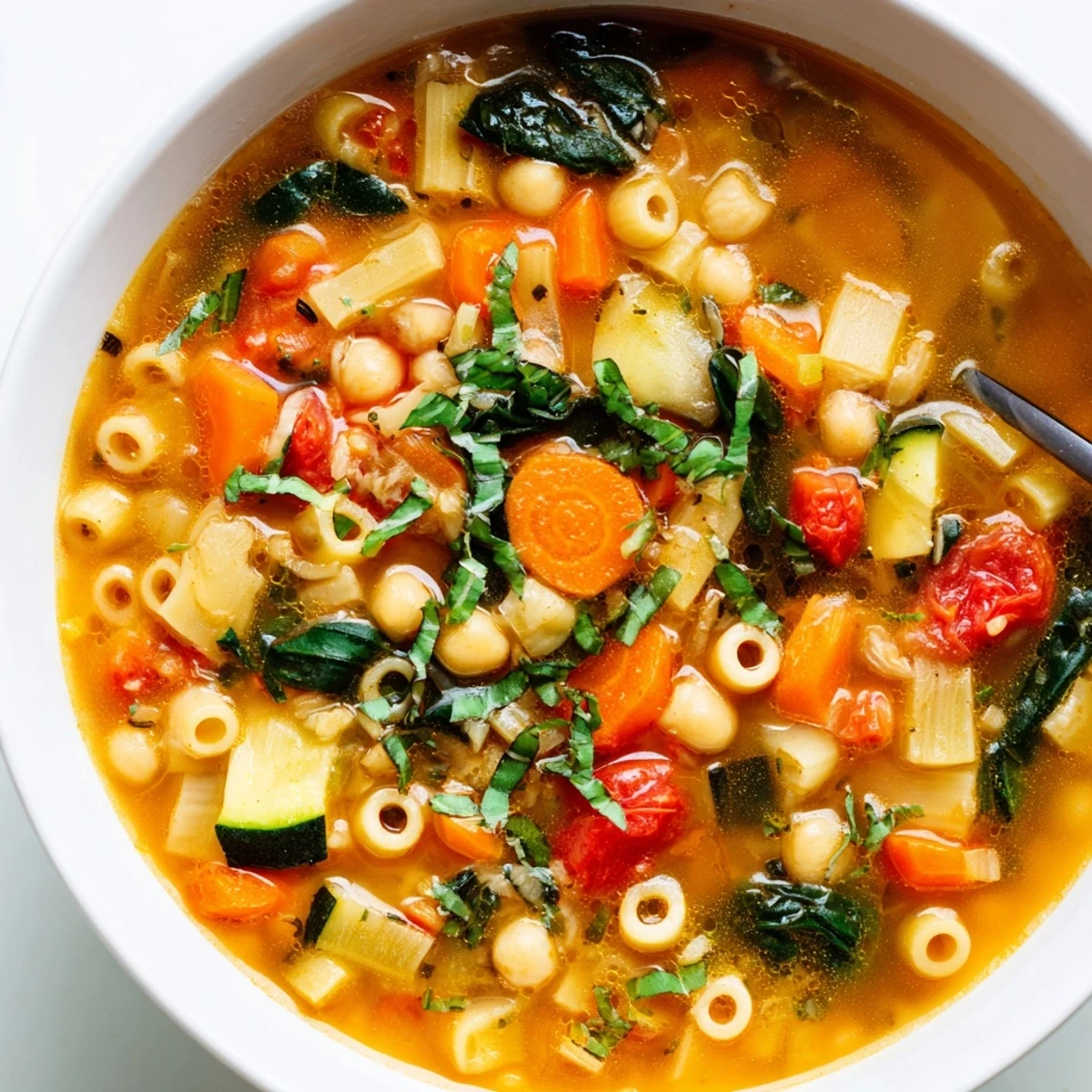
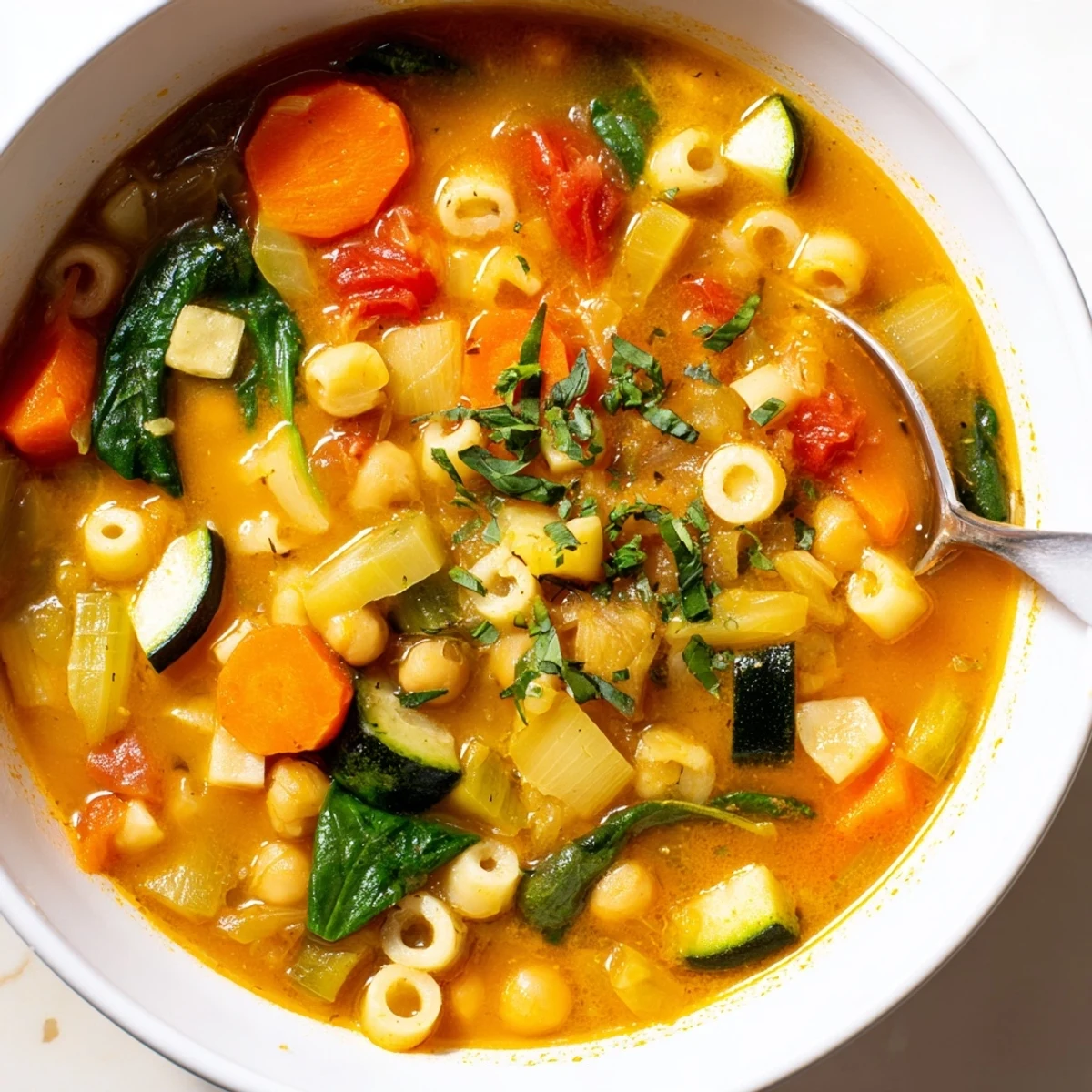
Save This vegan Italian penicillin soup brings together the healing comfort of traditional penicillin soup with vibrant Italian flavors. Hearty vegetables like carrots, celery, zucchini, and fennel simmer in a rich vegetable broth alongside protein-packed chickpeas and tender small pasta.
Dried oregano, basil, and thyme infuse every spoonful with classic Italian warmth, while fresh parsley and basil brighten the finish. A squeeze of lemon juice at the end adds a refreshing lift that ties everything together.
Ready in just 45 minutes, this one-pot meal is perfect for meal prep or a cozy weeknight dinner. It freezes beautifully and tastes even better the next day as the flavors continue to develop.
The radiator in my kitchen was broken that January and the only thing keeping me warm was the steam rising off this soup, which I threw together from whatever had survived the week in my crisper drawer. Somewhere between the fennel and the oregano it stopped feeling like desperation cooking and started tasting like something my nonna would have approved of, had she not been strictly opposed to anything vegan. Now it is the only thing I want when the temperature drops below forty degrees. My roommate calls it emotional support in a bowl and she is not wrong.
I made a double batch of this for a friend recovering from a brutal flu and she texted me three days later asking if I could deliver it again, this time in larger quantities. That is the highest compliment any soup can receive.
Ingredients
- Olive oil: Two tablespoons is all you need to build the flavor foundation from the bottom of the pot.
- Yellow onion: One large, diced fine so it melts into the broth rather than floating in chunky pieces.
- Garlic: Three cloves, minced, and add an extra one if your garlic is on the older side because the flavor fades.
- Carrots: Two medium, sliced into thin rounds so they cook evenly and look beautiful in the bowl.
- Celery: Two stalks, sliced, and do not skip this even if you think you hate celery because it disappears into the soup.
- Fennel bulb: One medium, diced, and this is optional technically but please do not leave it out.
- Zucchini: One medium, diced, adds body and mild sweetness that balances the tomatoes.
- Baby spinach or kale: A cup and a half, stirred in at the end for color and nutrients without heaviness.
- Diced tomatoes: One can, undrained, because that liquid is pure flavor you do not want to lose.
- Vegetable broth: Six cups of low sodium so you can control the salt yourself throughout cooking.
- Chickpeas: One can, drained and rinsed, for protein that actually satisfies.
- Small pasta: One cup of ditalini, orzo, or tiny shells, and shape matters here because it determines how each spoonful feels.
- Dried oregano: One teaspoon, and rub it between your palms before adding to wake up the oils.
- Dried basil: One teaspoon, which sounds like a lot but mellows beautifully during simmering.
- Dried thyme: Half a teaspoon, just enough to add an earthy depth without taking over.
- Crushed red pepper flakes: Half a teaspoon, optional, but the gentle heat is what makes this feel Italian rather than just healthy.
- Salt and black pepper: Added to taste, and season in layers as you cook rather than all at the end.
- Fresh parsley: Two tablespoons chopped, stirred in off the heat so the bright flavor survives.
- Fresh basil: Two tablespoons chopped plus extra for garnish, and tear it with your hands instead of cutting to keep it from bruising black.
Instructions
- Build the base:
- Heat the olive oil in your largest soup pot over medium heat until it shimmers, then add the onion and garlic, stirring often until the kitchen smells like an Italian grandmother just walked in, about three minutes.
- Soften the roots:
- Toss in the carrots, celery, and fennel, stirring to coat them in oil, and let them cook until the edges yield slightly when you press them with your spoon, about five minutes.
- Add the Italian soul:
- Stir in the zucchini, the entire can of diced tomatoes with their juice, the oregano, basil, thyme, and red pepper flakes, letting everything cook together for two minutes until the spices bloom and you can smell each one individually.
- Bring it together:
- Pour in the vegetable broth and bring it to a rolling boil, then add the chickpeas and pasta, watching them tumble together like they were always meant to be in the same pot.
- Simmer and wait:
- Reduce the heat, cover the pot, and let it simmer for twelve to fifteen minutes until the pasta is tender and the vegetables have given up their stiffness completely, checking once halfway through to stir.
- Finish with greens:
- Drop in the spinach or kale and cook two to three minutes more, just until the leaves wilt and turn bright green without losing their texture entirely.
- Season and serve:
- Stir in the fresh parsley and basil off the heat, taste for salt and pepper, ladle into wide bowls, and top with extra basil if you have it left over.
 Save
Save I once ate this soup cold from a thermos on a hike in March and it was still the best thing I tasted that week, which told me it had crossed the line from recipe into something I would just always know by heart.
The Bean Swap Nobody Talks About
Cannellini beans work just as well as chickpeas here and they break down slightly during simmering to create a thicker, creamier broth without any dairy involved. If you want that silkier texture, swap the chickpeas entirely or split the difference with half of each.
What to Serve Alongside
Thick slices of sourdough toasted with a rub of raw garlic and a drizzle of olive oil turn this from a light dinner into something that makes you push your plate away fully satisfied. A squeeze of lemon juice over the bowl right before eating adds a brightness that wakes up every single ingredient.
Storing and Reheating
This soup keeps beautifully for four days in the refrigerator and actually tastes better on day two when the flavors have had time to fully mingle. It also freezes well for up to three months if you hold the pasta back and cook it fresh when you reheat.
- Store in glass containers if possible because tomatoes stain plastic and hold the smell.
- Reheat gently on the stove rather than the microwave so the pasta does not get gummy.
- Always taste for salt again after reheating because the pasta absorbs seasoning as it rests.
 Save
Save Some recipes you follow and some recipes you carry with you, and this is the one I reach for when someone I love needs warmth that words cannot provide.
Recipe Questions
- → Can I make this soup gluten-free?
-
Yes, simply swap the regular pasta for your favorite gluten-free variety. Rice-based or chickpea pasta both work beautifully. Also double-check your vegetable broth label to ensure it's certified gluten-free.
- → What can I substitute for chickpeas?
-
Cannellini beans are an excellent substitute that lend a creamier texture. White beans, butter beans, or even lentils also pair wonderfully with the Italian herb profile of this soup.
- → How should I store and reheat leftovers?
-
Store cooled soup in an airtight container in the refrigerator for up to 5 days. Reheat gently on the stovetop or in the microwave. The pasta may absorb some broth during storage, so add a splash of vegetable broth when reheating.
- → Can I freeze this soup?
-
Absolutely. Freeze in portion-sized containers for up to 3 months. For best results, consider cooking the pasta separately and adding it fresh when serving, as frozen pasta can become mushy upon thawing.
- → Is fennel bulb necessary for this soup?
-
Fennel is optional but recommended for its subtle anise flavor that enhances the Italian character. If you skip it, the soup remains delicious. You could substitute a quarter teaspoon of fennel seeds for a similar flavor note.
- → What pasta shapes work best in this soup?
-
Small shapes like ditalini, orzo, tiny shells, or stelline are ideal because they distribute evenly throughout the broth. Avoid large pasta shapes that would overwhelm each spoonful and make the soup difficult to eat.