
 Save
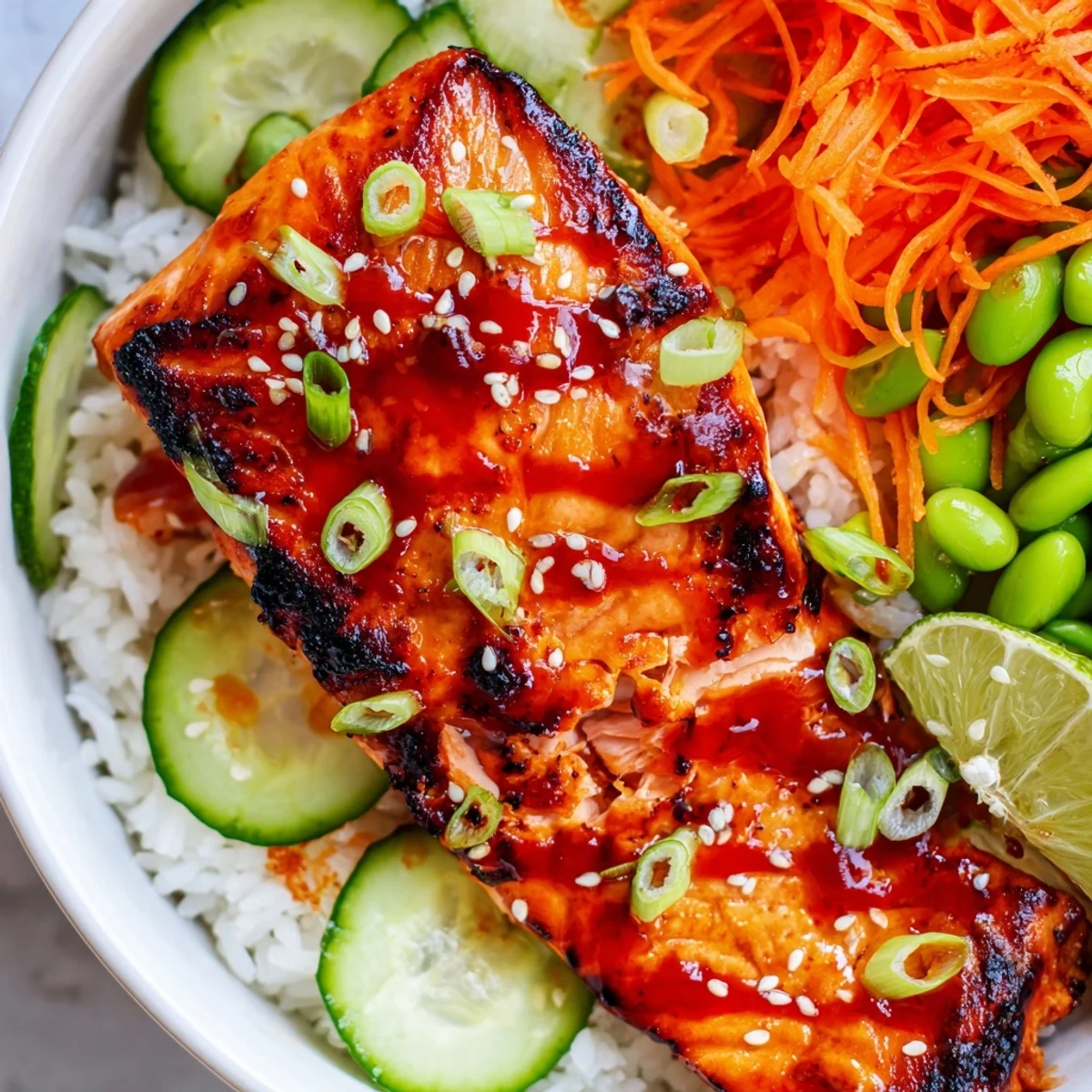
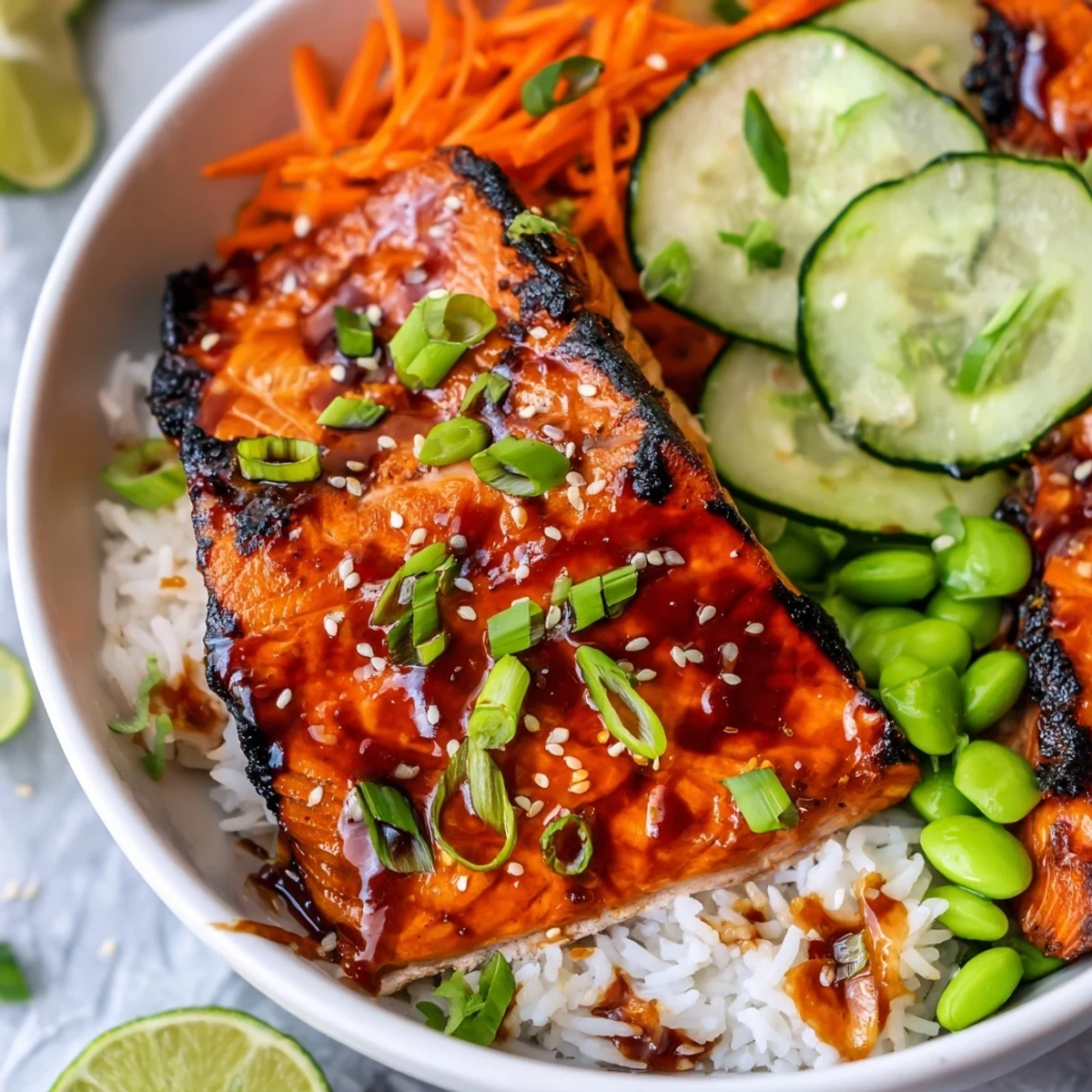
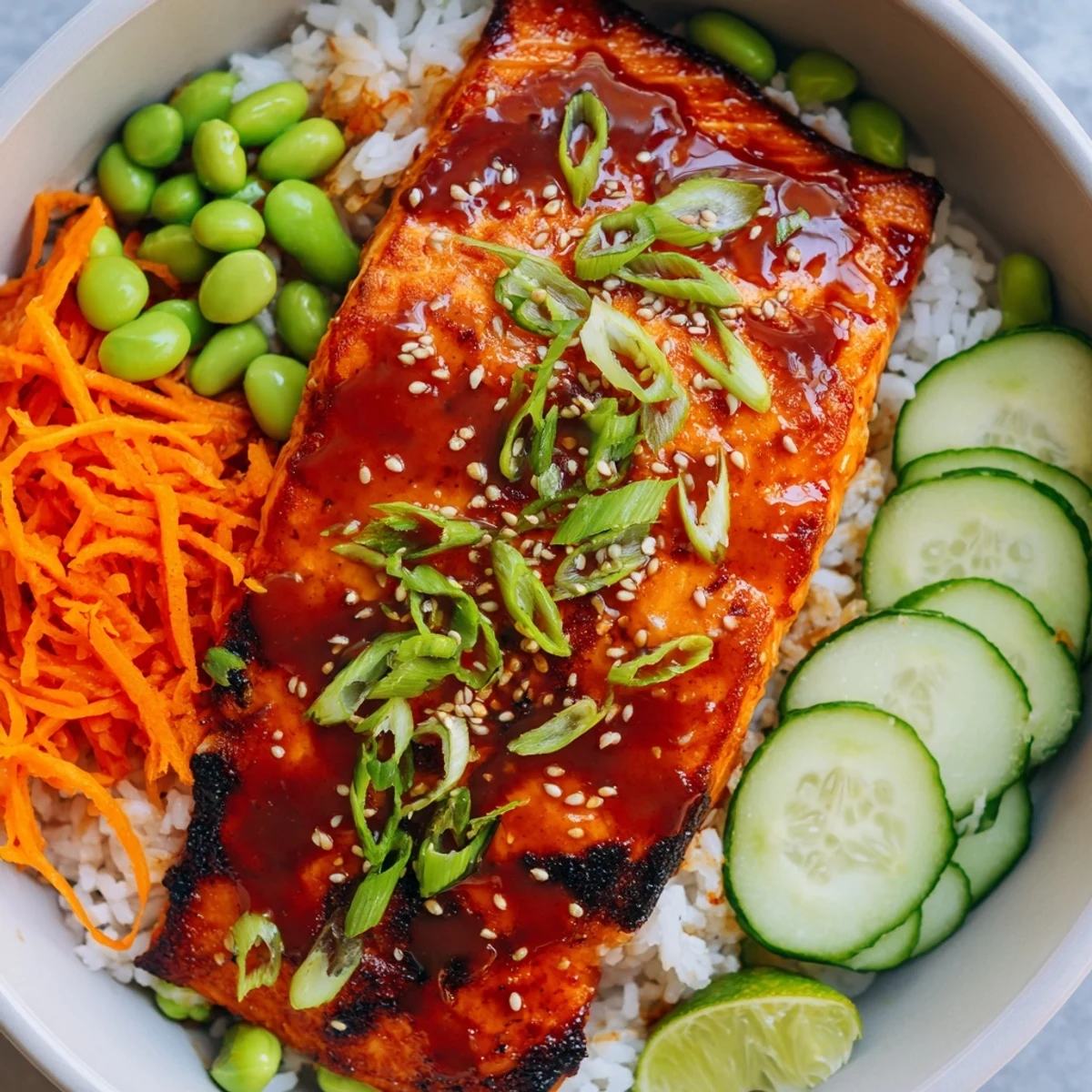
Save These sriracha honey glazed salmon bowls bring together succulent baked salmon fillets with a sticky, sweet-and-spicy glaze that caramelizes beautifully in the oven.
Served over fluffy steamed rice and topped with crisp cucumber, shredded carrots, and tender edamame, each bowl is a colorful, satisfying meal.
Ready in just 35 minutes with minimal prep, this dish is perfect for busy weeknights when you want something vibrant and flavorful without spending hours in the kitchen.
My apartment smelled like a street food stall the night I accidentally doubled the sriracha in this glaze, and my roommate walked in asking what carnival had moved into our kitchen. That sticky, caramelized salmon glistening under the oven light was so pretty we almost didnt want to eat it, almost being the key word. This bowl has since become my Tuesday night religion, the one dish I can make on autopilot while recounting the days chaos to anyone willing to listen. Its bold, messy in the best way, and done before you can finish debating what to watch.
I made these bowls for a friend who claimed she didnt like salmon, and she cleaned her plate before I even sat down to eat. There is something about that lacquered glaze cracking under a fork that convinces even the skeptics at your table.
Ingredients
- Salmon fillets (4, about 150 g each): Skin off or on is your call, but patting them bone dry is the non negotiable step for that golden crust.
- Olive oil (1 tbsp): Just enough to help the seasoning stick and keep the fish from marrying the parchment paper.
- Salt and black pepper: A light hand here, the glaze brings plenty of its own personality.
- Honey (3 tbsp): The backbone of the glaze, use a good one and you will taste the difference.
- Sriracha (2 tbsp): Adjust up or down depending on your spice tolerance and how much you trust your guests.
- Low sodium soy sauce (2 tbsp): Keeps the salt in check while adding that deep savory note.
- Rice vinegar (1 tbsp): A splash of acidity that brightens the whole glaze so it never feels one note.
- Garlic (1 clove, minced): Fresh only, the jarred stuff lacks the punch this dish deserves.
- Fresh ginger (1 tsp, grated): Rub it right off the root with a microplane and watch it transform everything.
- Cooked rice (2 cups): White or brown, day old rice actually works beautifully here because it soaks up the extra glaze.
- Cucumber (1 cup, thinly sliced): Cool crunch to balance the heat, slice it paper thin for the best texture.
- Shredded carrots (1 cup): Color and sweetness, a box grater makes quick work of this.
- Edamame (1 cup, shelled and cooked): Protein and a pop of green that makes the bowl look as good as it tastes.
- Green onions (2, thinly sliced): Scatter these on last for a fresh oniony bite that wakes everything up.
- Sesame seeds (1 tbsp): Toasted if you have them, they add a nutty finish that ties the whole bowl together.
- Fresh cilantro or mint (optional garnish): Either one works, torn loosely and added with abandon.
- Lime wedges: A final squeeze over the whole bowl right before eating is not optional in my house.
Instructions
- Preheat and prep your tray:
- Crank the oven to 200 degrees C (400 degrees F) and line a baking tray with parchment so cleanup is an afterthought.
- Build the glaze:
- Combine honey, sriracha, soy sauce, rice vinegar, garlic, and ginger in a small saucepan over medium heat, stirring until it bubbles and thickens just enough to coat the back of a spoon.
- Season the salmon:
- Pat each fillet dry with paper towels, brush with olive oil, and give it a modest shower of salt and pepper before laying them on the tray with plenty of breathing room.
- Glaze the fillets:
- Brush each piece generously, saving a few spoonfuls of glaze in the pan because you will want it for drizzling later.
- Bake until gorgeous:
- Slide the tray into the oven for 12 to 15 minutes until the salmon flakes at the gentlest nudge of a fork, hitting broil for the last minute or two if you want that blistered sticky top.
- Build your bowls:
- Spoon rice into each bowl, arrange cucumber, carrots, and edamame in little clusters, then lay a glazed salmon fillet on top like the jewel of the whole thing.
- Finish with flair:
- Drizzle the reserved glaze over everything and scatter green onions, sesame seeds, herbs, and a lime wedge before serving immediately while the salmon still glistens.
 Save
Save I once packed leftover bowls for a picnic and ate them cold on a blanket while the sun went down, and honestly it was even better that way. Food like this has a way of turning an ordinary evening into something worth remembering.
What to Serve Alongside
A crisp Sauvignon Blanc is my go to pairing, cutting right through the richness of the glaze and making each bite feel fresh again. If wine is not your thing, cold sparkling water with a slice of cucumber does surprisingly wonderful work here.
Making It Your Own
Swap rice for quinoa if you want more protein, or tuck in sliced avocado and radishes for creaminess and a peppery bite. This bowl forgives substitutions generously, which is why it has survived every phase of my grocery shopping habits.
Tools That Make It Easier
You really only need a baking tray, a small saucepan, and a decent brush for the glaze, everything else is pantry basic. Keep a sharp knife handy for the vegetables and a mixing bowl or two for assembly and you are set.
- A silicone basting brush holds up to heat better than a bristle one and wont shed into your glaze.
- Parchment paper is worth using here unless you enjoy chiseling caramelized honey off metal trays.
- Make sure your salmon pieces are roughly the same thickness so they finish cooking at the same time.
 Save
Save Keep this one in your back pocket for nights when you want something that looks impressive but asks very little of you. The bowl does all the talking.
Recipe Questions
- → Can I use frozen salmon fillets instead of fresh?
-
Yes, frozen salmon works well. Thaw it completely in the refrigerator overnight before cooking. Pat the fillets dry thoroughly to ensure the glaze adheres properly and you get a good caramelization in the oven.
- → How do I know when the salmon is fully cooked?
-
The salmon is done when it flakes easily with a fork and reaches an internal temperature of 63°C (145°F). Avoid overcooking — the fillets should still look slightly translucent in the very center for a moist, tender result.
- → What can I substitute for sriracha to adjust the spice level?
-
For milder heat, use a mild chili garlic sauce or reduce the sriracha to one tablespoon and add an extra tablespoon of honey. If you prefer more spice, add a pinch of cayenne pepper or use a hotter hot sauce like sambal oelek.
- → Can I meal-prep these salmon bowls ahead of time?
-
Store each component separately in airtight containers in the refrigerator for up to 3 days. Reheat the salmon gently at 160°C (325°F) to avoid drying it out. Assemble the bowls fresh when ready to eat for the best texture and flavor.
- → What rice works best for these bowls?
-
Short-grain white rice or jasmine rice provides the best texture for bowls, offering a slightly sticky base that pairs well with the glaze. Brown rice adds a nuttier flavor and extra fiber. Quinoa is also a great alternative for a higher-protein option.
- → Is there a way to make this dish gluten-free?
-
Simply replace the soy sauce with tamari or coconut aminos, both of which are gluten-free alternatives that deliver a similar umami flavor. Double-check that your sriracha brand is also certified gluten-free, as some contain wheat-based ingredients.