
 Save
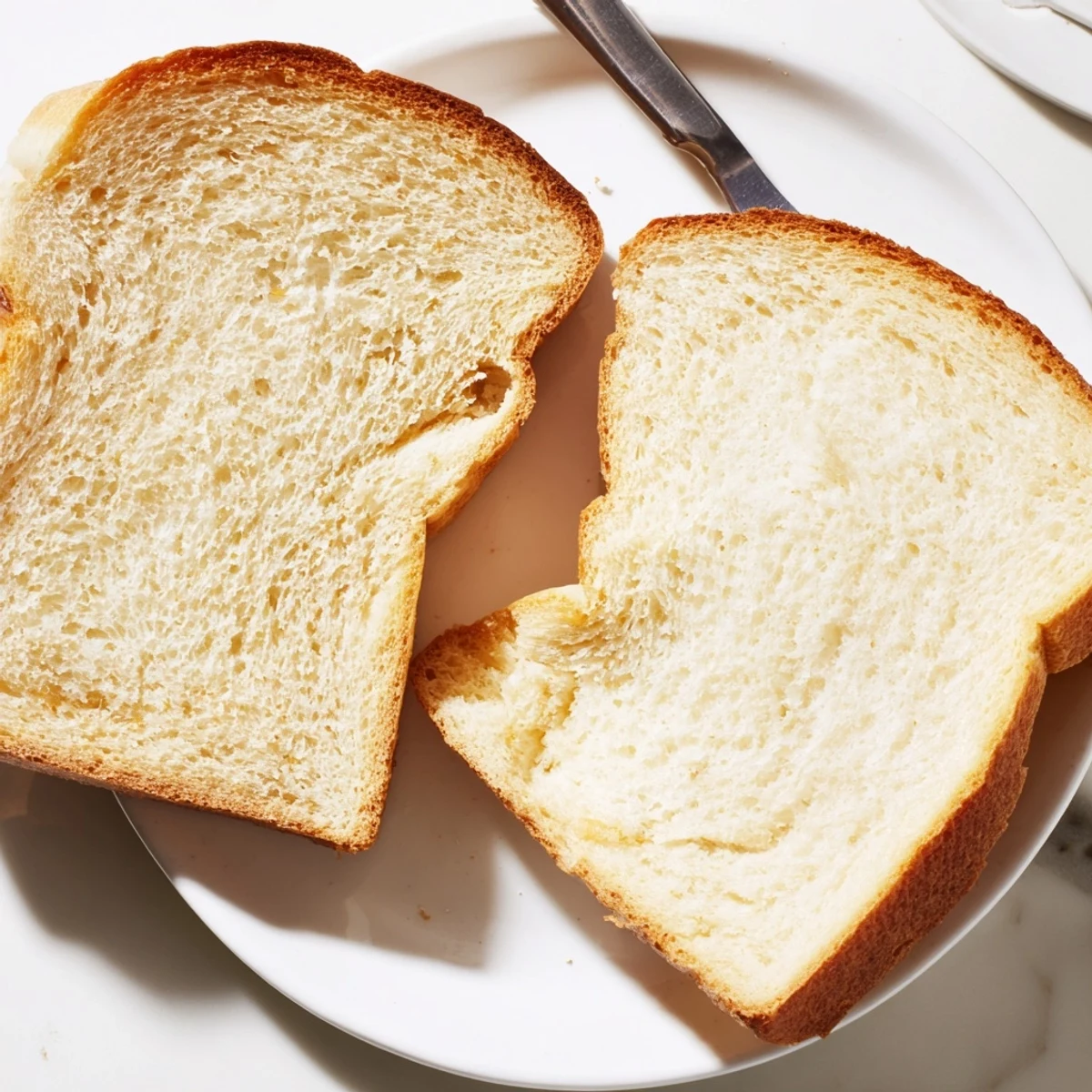
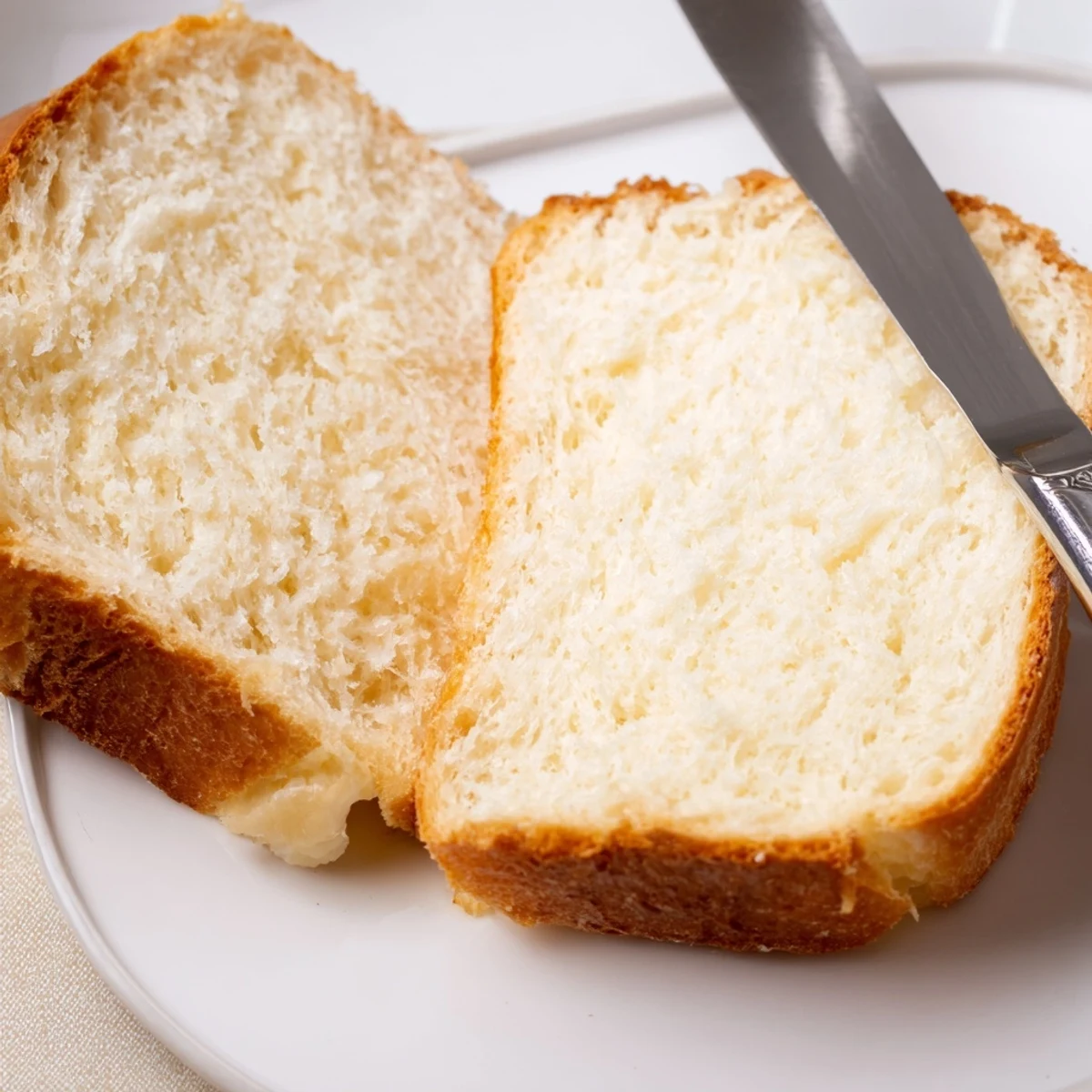
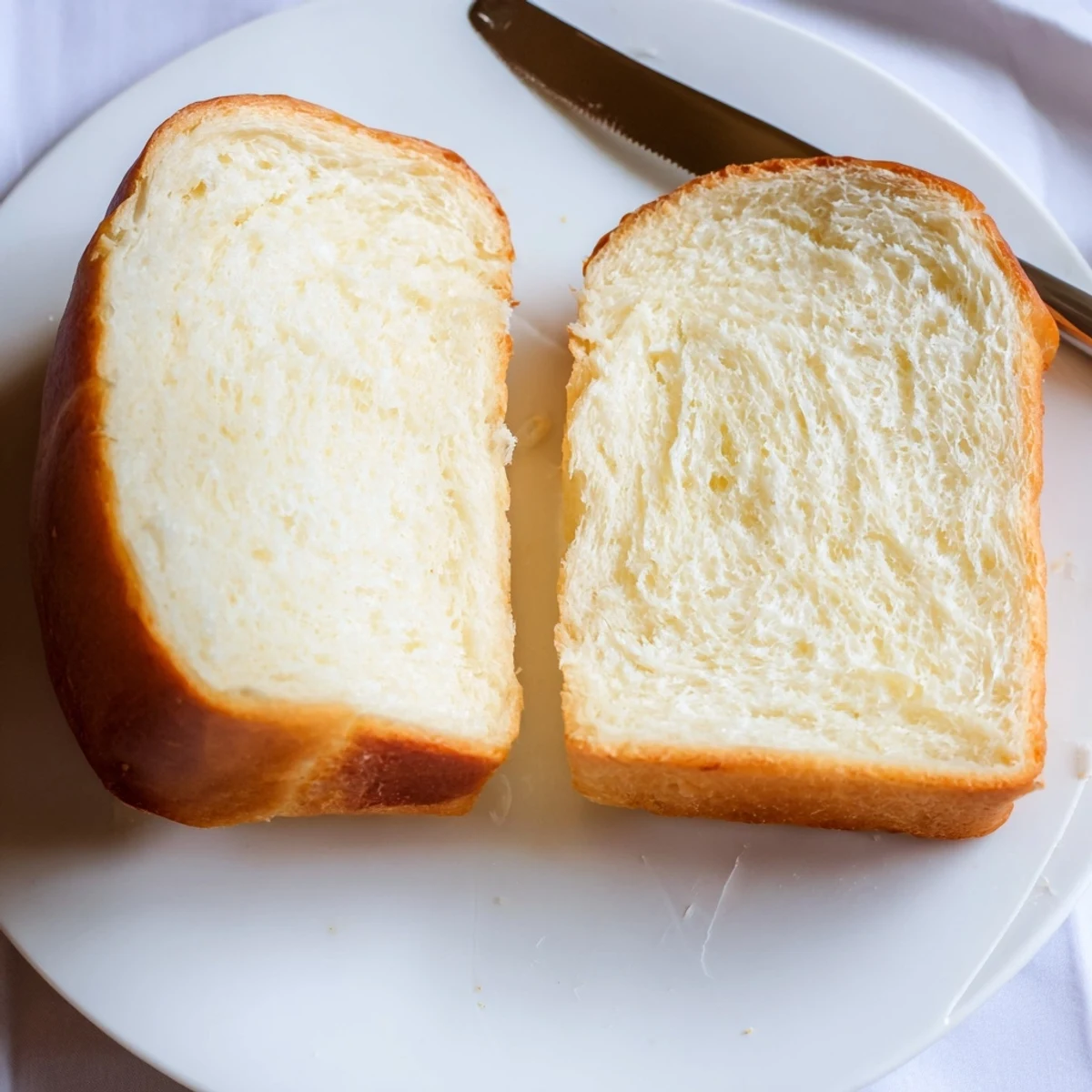
Save This classic American white bread delivers incredibly soft, fluffy textures with just a touch of sweetness. The simple dough comes together quickly, requiring basic pantry staples like warm water, sugar, yeast, salt, oil, and flour. After two rising periods, the loaves bake to golden perfection in about 30 minutes. The finished bread features a tender crumb perfect for sandwiches, French toast, or simply enjoying warm from the oven spread with butter.
My grandmother showed up at my apartment one Tuesday with nothing but a mixing bowl and a paper bag of flour, announcing we were making bread that afternoon. I had never baked anything beyond refrigerated cookie dough, but there's something about watching yeast bubble that feels like magic. That afternoon changed my relationship with my tiny kitchen forever.
Last winter during a snowstorm, I made six loaves and distributed them to neighbors I'd barely spoken to before. Something about breaking bread together, even metaphorically, changes things between people.
Ingredients
- Warm water: The temperature matters more than you think, too hot kills the yeast, too cold makes it sluggish
- Granulated sugar: Feeds the yeast and helps that beautiful golden crust develop
- Active dry yeast: Always check the expiration date, old yeast is the heartbreak of many bread attempts
- Salt: Do not skip this, it balances the sweetness and gives the bread structure
- Vegetable oil: Melted butter works beautifully too for a richer flavor
- All purpose flour: Start with five and a half cups, trust your hands over the exact measurement
- Melted butter for topping: Optional but absolutely worth it for that bakery soft crust
Instructions
- Wake up the yeast:
- Dissolve the sugar in warm water, sprinkle the yeast on top, and walk away for ten minutes until it's foamy and alive
- Build the dough:
- Stir in the salt and oil, then gradually add flour one cup at a time until the dough pulls away from the bowl sides
- Knead until smooth:
- Work the dough on a floured surface for six to eight minutes until it feels elastic and smooth under your palms
- First rise:
- Place the dough in a greased bowl, cover it, and let it double in size for about an hour in a warm corner
- Shape the loaves:
- Punch down gently, divide in half, and shape each piece to fit two greased loaf pans
- Second rise:
- Cover and let the dough rise again until it's about an inch above the pan rims, thirty to forty five minutes
- Bake to golden:
- Bake at 350 degrees for twenty five to thirty minutes until the tops are beautifully browned and the loaves sound hollow when tapped
- Finish with butter:
- Brush the warm tops with melted butter immediately, then cool them on a wire rack before slicing into them
 Save
Save My youngest now asks for this bread every Sunday morning, and I've learned that the routine of baking together matters more than any perfect technique.
Making It Your Own
Replace half the water with warm milk for a softer crumb and slightly sweeter flavor. Add a tablespoon of honey alongside the sugar for floral notes that pair wonderfully with jam.
Perfect Rising Conditions
Find the warmest spot in your kitchen, often near a window with afternoon sun. I've been known to turn my oven light on and place the bowl inside with the door cracked just slightly.
Storage And Freezing
This bread keeps beautifully for four days in an airtight bag on the counter. For longer storage, slice before freezing so you can toast individual slices straight from the freezer.
- Wrap cooled loaves tightly in plastic wrap, then place in a freezer bag
- Frozen bread stays fresh for up to three months without any texture loss
- Thaw at room temperature still wrapped to prevent condensation on the crust
 Save
Save There's something profound about creating sustenance from nothing but flour and water. Every loaf feels like a small victory worth sharing.
Recipe Questions
- → Why is Amish white bread so soft?
-
The combination of sugar, oil, and proper kneading creates a tender crumb structure. The fat content from oil keeps the bread moist and prevents it from becoming dry or tough.
- → Can I make this bread without a stand mixer?
-
Absolutely. The dough can be mixed and kneaded entirely by hand. Simply stir with a wooden spoon until combined, then knead on a floured surface for 6-8 minutes until smooth and elastic.
- → How do I know when the bread is done baking?
-
The loaves should be golden brown on top and sound hollow when tapped on the bottom. An instant thermometer inserted into the center should read 190-200°F (88-93°C).
- → Can I use whole wheat flour instead of all-purpose?
-
You can substitute up to half of the all-purpose flour with whole wheat flour. Keep in mind that whole wheat will create a denser, heartier loaf and may require slightly more water.
- → Why did my dough not rise?
-
This usually happens if the water was too hot and killed the yeast, or if the yeast was expired. Ensure your water is around 110°F (43°C)—comfortably warm to touch but not scalding. Also check that your yeast is fresh.