
 Save
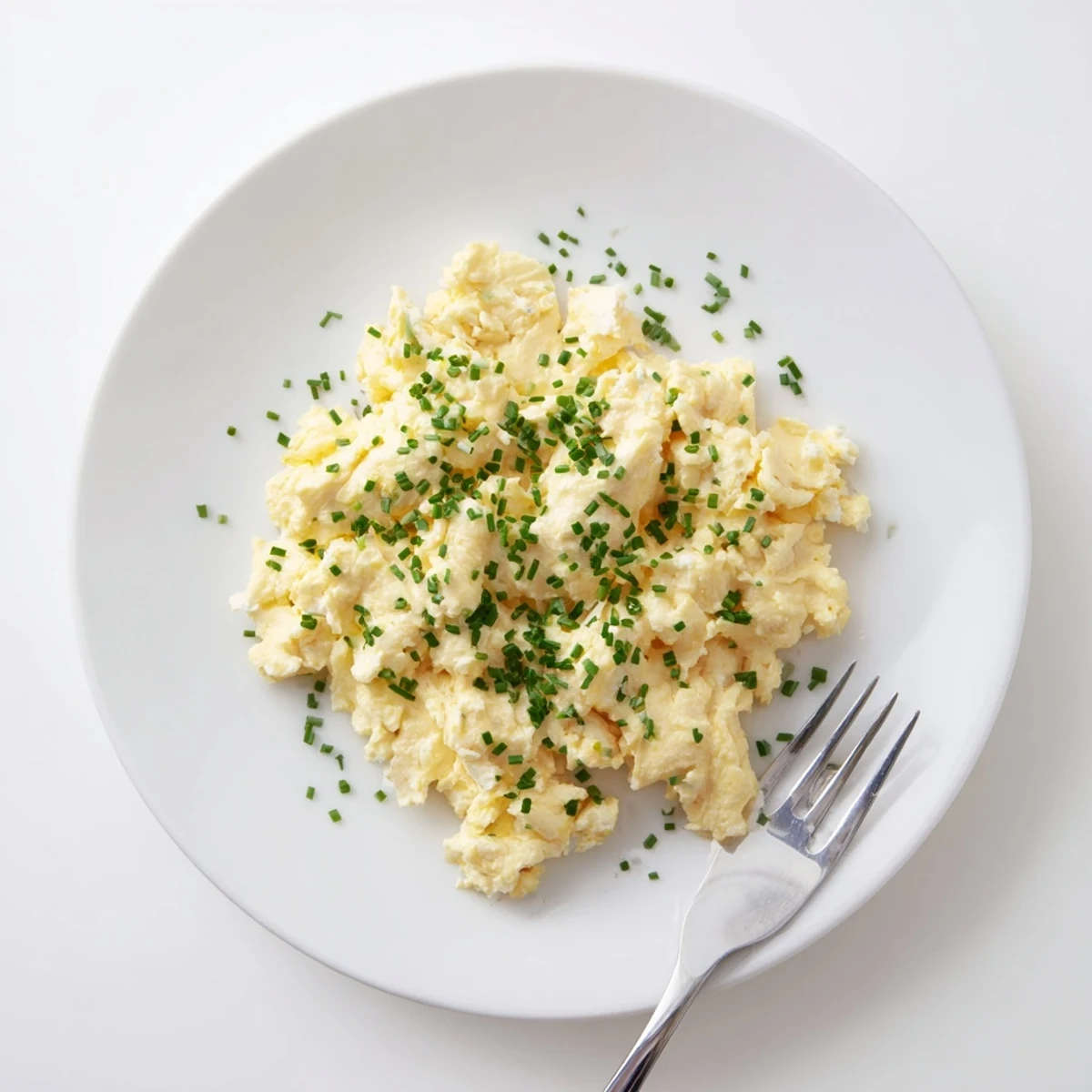
Save Whisk four eggs with salt and pepper, then fold in 1/2 cup cottage cheese and half the chives. Melt butter over medium-low heat, pour in the mixture, and gently stir with a spatula until soft curds form (2-3 minutes). Remove from heat while still creamy; residual heat finishes cooking. Serves 2. Tip: add a splash of cream for richness or toss in spinach or smoked salmon for variety.
My roommate Sarah dumped a scoop of cottage cheese into her scrambled eggs one bleary Sunday morning and I nearly protested out loud, but the smell that followed shut me up completely. The curds melted into the eggs in these gorgeous creamy pockets, and the chives on top made the whole kitchen smell like spring had walked in uninvited. I have been making these eggs ever since, and honestly I pity my pre cottage cheese scrambled egg self. They are that good.
I served these to my picky father in law last Easter and he went back for thirds without saying a word, which is the highest compliment in his vocabulary. He later asked my wife what restaurant I had ordered them from, and I have never let her tell him the truth.
Ingredients
- 4 large eggs: Room temperature eggs whisk more evenly and cook more gently than cold ones straight from the fridge.
- 1/2 cup cottage cheese: Full fat gives the richest result but low fat works beautifully if that is what you have on hand.
- 1 tablespoon unsalted butter: This is the foundation of the flavor so use good butter if you can find it.
- 2 tablespoons fresh chives: Fresh matters enormously here because dried chives taste like disappointment and nothing else.
- 1/4 teaspoon salt: A light hand lets the natural sweetness of the eggs and cheese come forward.
- 1/8 teaspoon black pepper: Freshly ground is nonnegotiable, the preground stuff tastes dusty and flat beside these delicate eggs.
Instructions
- Whisk it all together:
- Crack the eggs into a medium bowl, season with salt and pepper, and whisk until the yolks and whites are fully blended and you see a uniform yellow color with no streaks.
- Fold in the cottage cheese:
- Gently stir in the cottage cheese and half the chives, leaving the curds mostly intact so they create those heavenly creamy surprises in every bite.
- Melt the butter slowly:
- Set your nonstick skillet over medium low heat and let the butter melt until it starts to foam and bubble, watching closely because browned butter will fight against the delicate egg flavor.
- Pour and gently stir:
- Slide the egg mixture into the pan and use a flexible spatula to slowly sweep the sides and bottom, folding rather than stirring, for about two to three minutes until big soft curds form.
- Pull early and let rest:
- Take the pan off the heat while the eggs still look slightly wet and underdone because they will finish cooking on the plate and that is the secret to avoiding dry rubbery eggs.
- Finish with chives:
- Scatter the remaining chives across the top, slide onto warm plates, and serve immediately while the texture is still velvet soft.
 Save
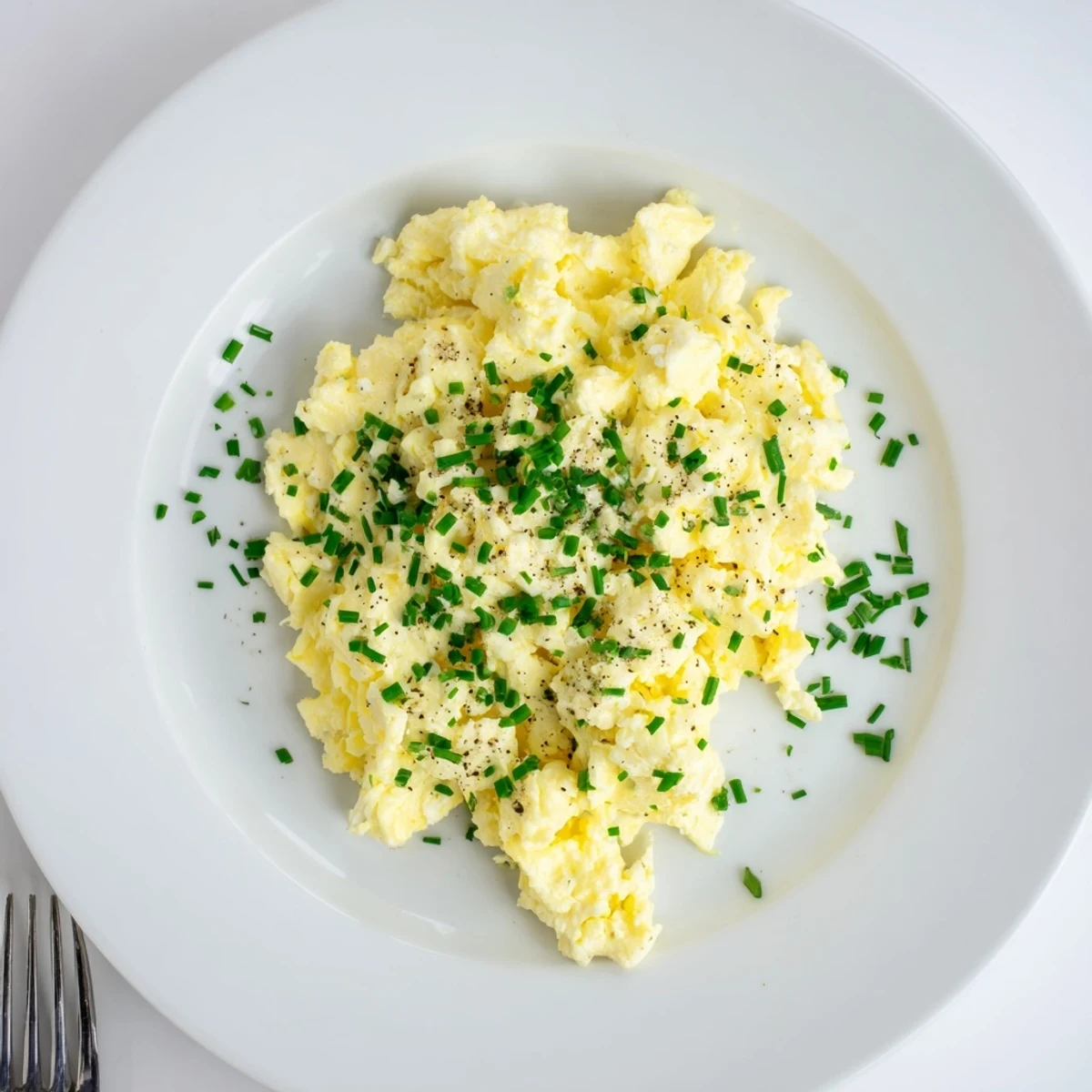
Save There is something quietly luxurious about eating cottage cheese scrambled eggs on a random Tuesday when the world has not yet fully woken up and the kitchen is still dim.
How I Like to Serve Them
Thick slices of sourdough toast, charred just enough to hold a smear of butter, are the only companion these eggs ever really need. Sometimes I add a few halved cherry tomatoes on the side for color and a hit of acidity that cuts through the richness perfectly.
Fun Twists I Have Tried
A handful of baby spinach wilted into the eggs during the last minute of cooking turns the whole dish vibrantly green and adds a mineral sweetness. Smoked salmon folded in at the end makes it feel like a weekend brunch at a cafe with linen napkins and overpriced orange juice.
A Few Last Thoughts
If cottage cheese sounds strange to you in eggs, I promise it is one of those ingredients that makes you wonder why nobody told you about it sooner. Keep it simple the first time, then experiment once you trust the process.
- Ricotta works as a substitute if you want a milder, more uniform creaminess throughout.
- A splash of cream beaten into the eggs alongside the cottage cheese makes them almost dessert level rich.
- Always use a nonstick pan because eggs this soft will cling mercilessly to anything else.
 Save
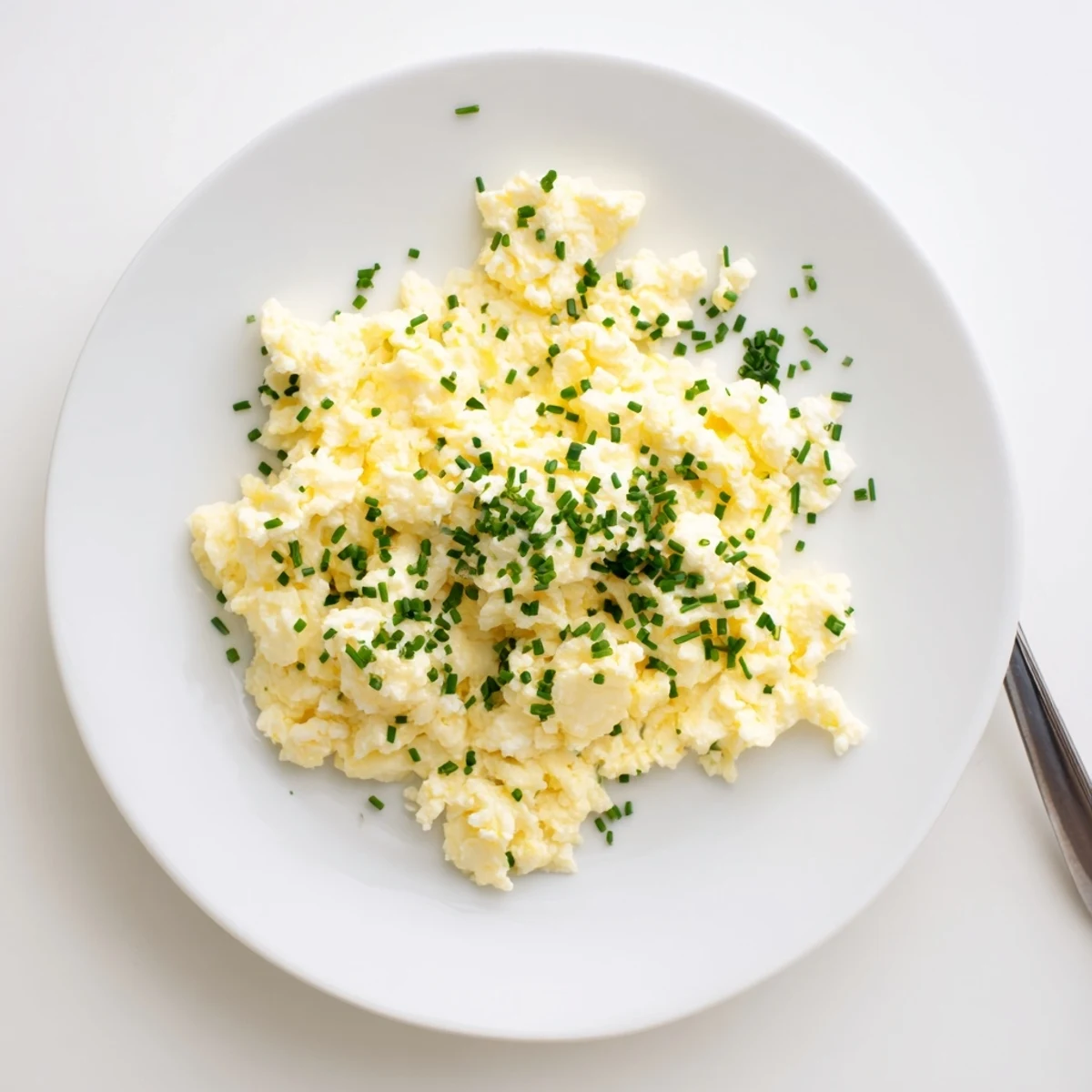
Save Make these once and plain scrambled eggs will never feel quite enough again, which is a beautiful problem to have on a quiet morning.
Recipe Questions
- → How do I keep the eggs creamy?
-
Cook over medium-low heat and stir gently to form soft curds. Remove the pan while the eggs are still slightly runny—residual heat will finish them without drying them out.
- → Which type of cottage cheese works best?
-
Full-fat cottage cheese yields a richer, creamier texture. Small-curd versions blend more smoothly; if it's very wet, drain briefly to avoid thinning the eggs.
- → Can I swap cottage cheese for ricotta?
-
Yes. Ricotta gives a milder, silkier finish. Use the same amount and fold it in gently to preserve soft curds and a fluffy texture.
- → What add-ins pair well with chives and cottage cheese?
-
Fresh spinach, smoked salmon, sautéed mushrooms, cherry tomatoes, or a sprinkle of sharp cheddar all complement the tang of cottage cheese and the oniony chive notes.
- → How should leftovers be stored and reheated?
-
Cool quickly and refrigerate in an airtight container for up to 2 days. Reheat gently over low heat or in short microwave bursts, stirring often to restore creaminess.
- → Can this be prepared ahead for a brunch?
-
Yes. You can whisk ingredients and keep them chilled, or partially cook the eggs until underdone, cool, then warm gently before serving for best texture.