
 Save
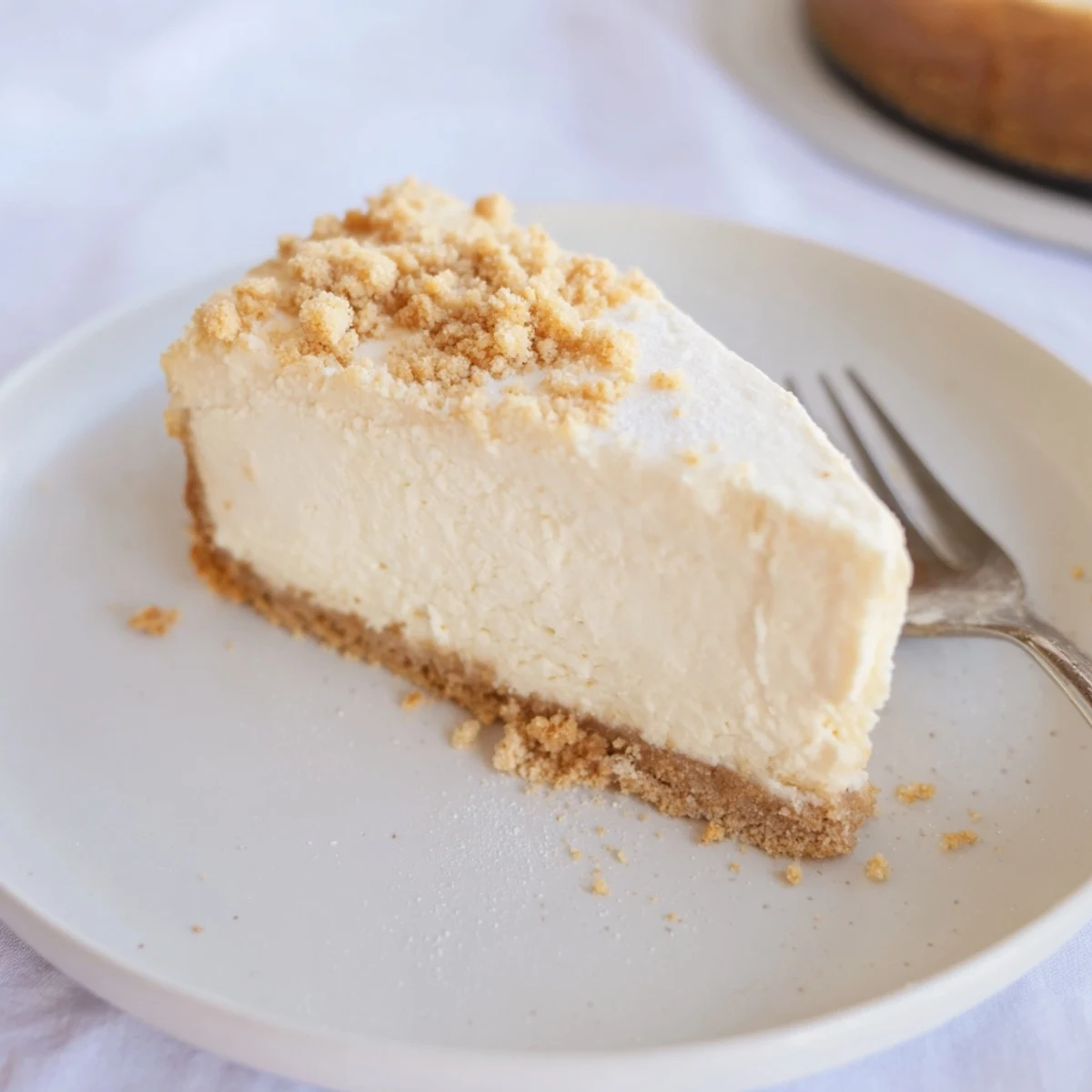
Save Classic baked cheesecake with a buttery graham cracker crust and silky filling. Beat 900 g cream cheese with 200 g sugar until smooth, add 3 eggs one at a time, then fold in 180 ml sour cream, 2 tsp vanilla, 30 g flour and 1/4 tsp salt. Press crust, bake at 160°C (325°F) for 50–60 minutes until the center slightly jiggles. Cool in oven 1 hour, refrigerate 4+ hours. Top with sour cream or berries and slice with a hot, wet knife for neat pieces.
The steam from a kettle fogged up my kitchen window the evening I decided cheesecake was going to be my next obsession. Rain hammered the glass and my springform pan sat in the sink with yesterday's dishes, but none of that mattered once I tasted the first test batch. Creamy, trembling slightly in the center, with a buttery crust that shattered just right against the fork. That slice changed the way I think about patience in the kitchen.
Serving this to my neighbor after she had a rough week was the moment I realized dessert could say things words could not. She stood at the counter eating it straight from the spatula before I even plated a proper slice.
Ingredients
- Graham cracker crumbs (200 g): Fresh crumbs make a noticeable difference, so pulse whole crackers yourself rather than buying pre ground if possible.
- Unsalted butter, melted (100 g): The butter binds the crust and adds richness, so do not skimp or substitute with margarine.
- Sugar for crust (2 tbsp): Just enough sweetness to round out the base without competing with the filling.
- Cream cheese, softened (900 g): Full fat brick style is nonnegotiable here because lower fat versions will never set with the same velvety density.
- Granulated sugar (200 g): Cream this with the cheese thoroughly because undissolved sugar crystals will haunt your texture.
- Large eggs (3): Room temperature eggs blend in more smoothly and reduce the risk of overbeating while incorporating them.
- Sour cream (180 ml for filling): This is the secret weapon that keeps every slice moist and tangy even after days in the fridge.
- Vanilla extract (2 tsp): Use the real stuff because artificial vanilla becomes harsh after baking and lingers unpleasantly.
- All purpose flour (30 g): A small amount stabilizes the batter and helps prevent those dreaded surface cracks.
- Salt (1/4 tsp): Salt sharpens all the sweetness and balances the richness in ways you will notice if you forget it.
- Sour cream for topping (120 ml): Optional but highly recommended because it adds a cool, tangy crown that cuts through the richness beautifully.
- Powdered sugar (2 tbsp): Dissolves seamlessly into the topping without any grainy residue.
- Vanilla extract for topping (1/2 tsp): A lighter hand here keeps the topping from tasting like perfume.
Instructions
- Preheat and prepare the pan:
- Heat your oven to 160 degrees Celsius (325 degrees Fahrenheit), grease the springform pan generously, and press parchment into the base so nothing sticks during the long bake.
- Build the crust:
- Toss graham crumbs with melted butter and sugar until the mixture feels like damp sand, then press it firmly and evenly across the bottom using the back of a measuring cup for a flat, compact layer.
- Bake and cool the base:
- Slide the crust into the oven for ten minutes until it just begins to smell toasty and golden, then pull it out and let it rest while you prepare the filling.
- Blend the filling:
- Beat the softened cream cheese alone first until completely smooth and lump free, then pour in the sugar and beat again before adding each egg one at a time with the mixer on low, finishing with sour cream, vanilla, flour, and salt mixed until just incorporated.
- Pour and release bubbles:
- Scrape the batter over the warm crust using a rubber spatula, then tap the pan firmly on the counter a few times to coax stubborn air bubbles to the surface where they will pop.
- Bake low and slow:
- Bake for 50 to 60 minutes watching for edges that are set but a center that still wobbles like gelatin when you gently shake the pan, then kill the heat, crack the oven door open, and walk away for one full hour.
- Chill thoroughly:
- Transfer the pan to a wire rack until it reaches room temperature, then wrap it loosely and refrigerate for at least four hours or ideally overnight before even thinking about slicing.
- Add the topping and serve:
- Whisk sour cream with powdered sugar and vanilla until smooth, spread it over the cold cheesecake, and slice with a knife dipped in hot water and wiped clean between each cut.
 Save
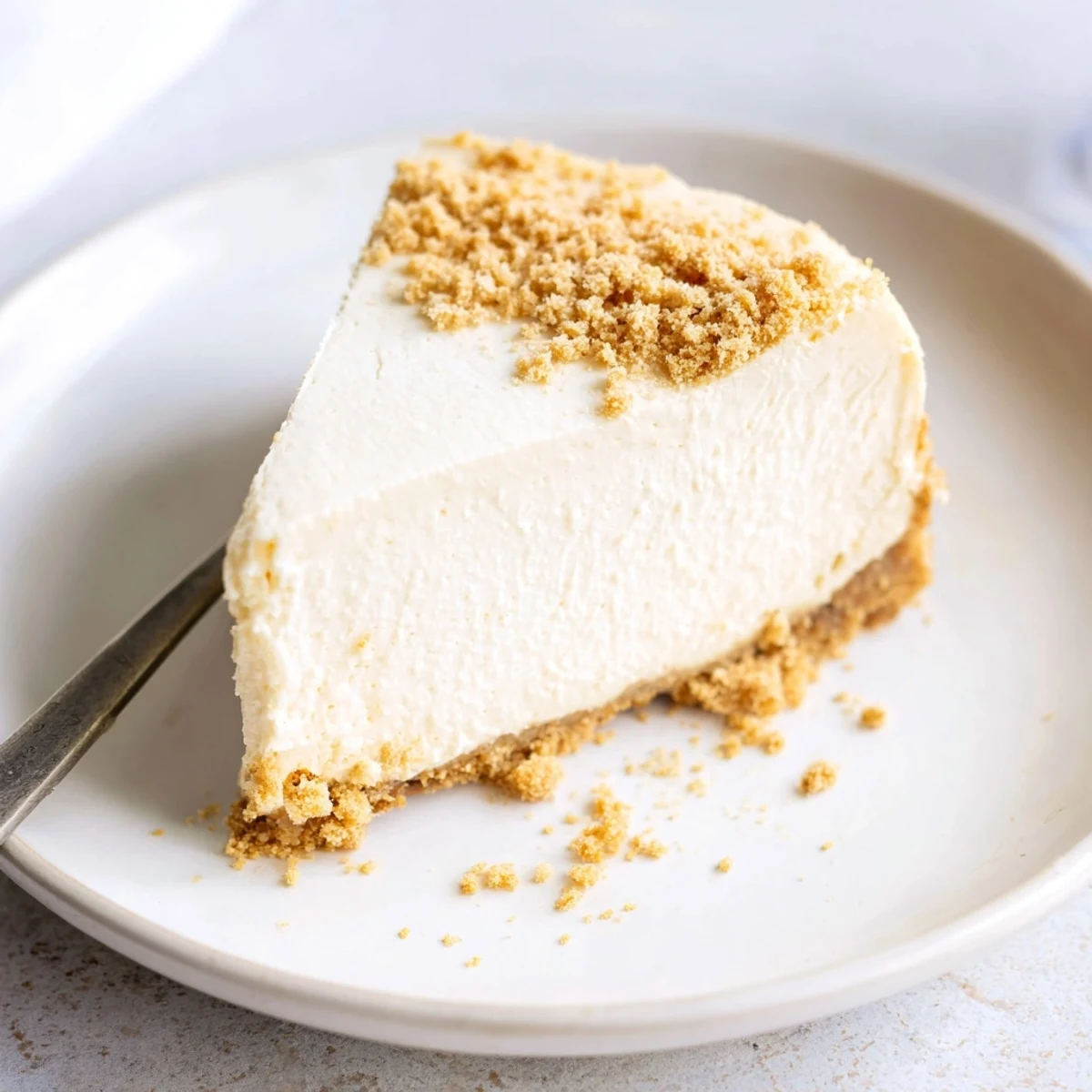
Save There is something profoundly satisfying about pulling a cheesecake from the oven and watching it settle into itself during that slow hour in the cooling oven. It feels less like baking and more like coaxing something into existence.
What to Serve Alongside
A glass of Moscato dAsti alongside a thin slice is pure evening elegance, but strong black coffee works just as well for a Sunday afternoon treat. Fresh berries scattered over the top turn each plate into something that looks like it came from a bakery case.
Getting Ahead of the Schedule
This is the ideal make ahead dessert because it actually improves with time in the fridge as the flavors meld and the texture firms into something sliceable yet still creamy. I have made it two days before a dinner party and it was better for the wait.
Handling Common Mishaps
Even cracked cheesecakes taste incredible, so never throw one away in frustration because the topping or a handful of berries hides everything beautifully. Small cracks usually mean the oven ran hot or you mixed too aggressively, but the inside remains just as silky.
- Wrap the bottom of your springform pan in foil before baking to prevent any butter from seeping onto the oven floor.
- A teaspoon of lemon zest folded into the filling brightens the whole cheesecake without tasting like lemon dessert.
- Always chill the full four hours because slicing too early will give you a gummy, dense disappointment instead of that dreamy slice.
 Save
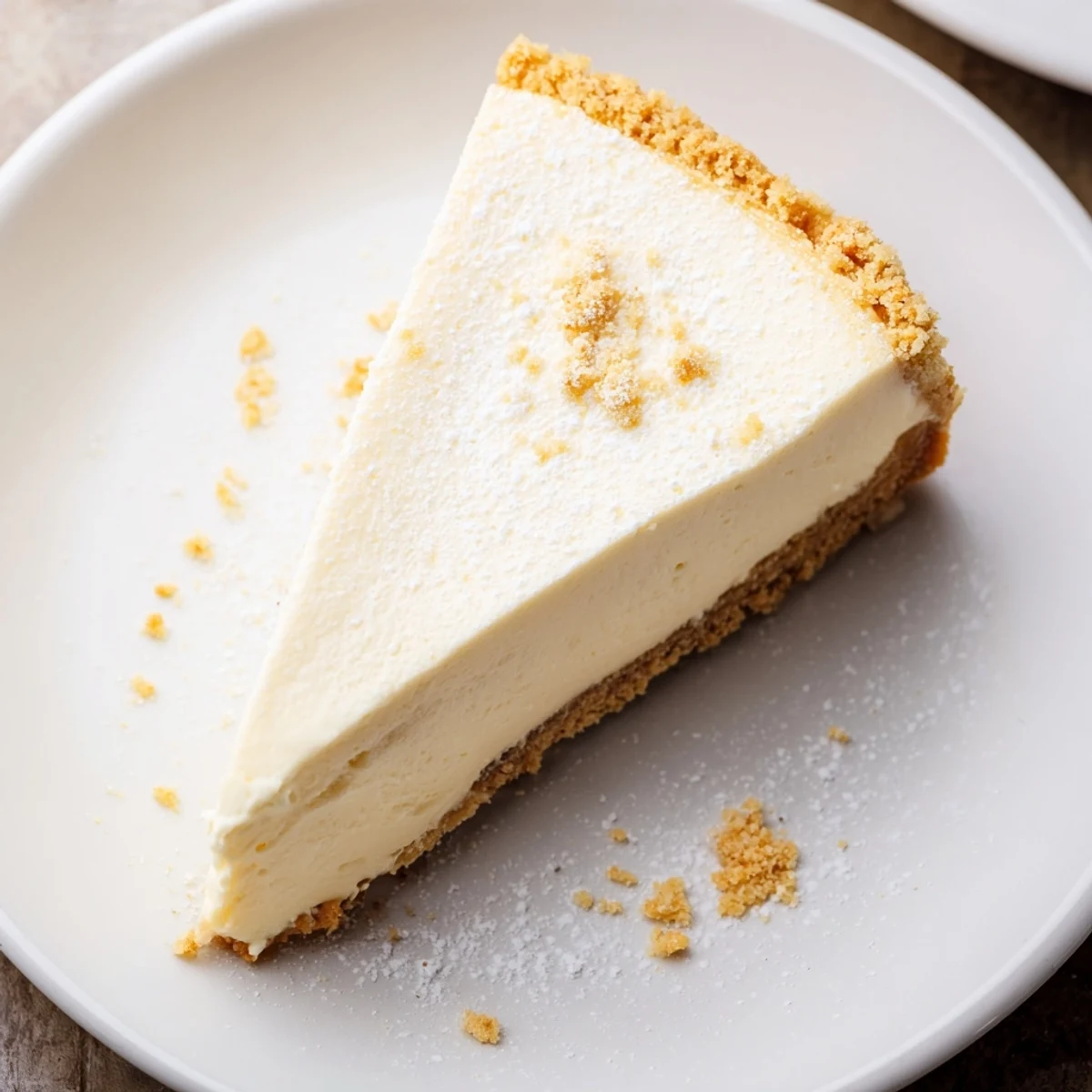
Save Every time I make this cheesecake I think about that rainy evening and how something so simple became the dessert I trust above all others. Share it with someone who needs a little comfort today.
Recipe Questions
- → Why did my cheesecake crack on top?
-
Cracks often come from overmixing, baking at too high a temperature, or rapid cooling. Mix until just smooth, bake gently at 160°C (325°F), and let the cake cool gradually with the oven door ajar for an hour before refrigerating.
- → How can I achieve a silky, non-grainy filling?
-
Bring cream cheese to room temperature and beat until fully smooth before adding other ingredients. Use measured flour sparingly and avoid overbeating once eggs are added to prevent incorporating excess air.
- → What is the best way to get clean slices?
-
Chill the cheesecake thoroughly for at least 4 hours or overnight. Wipe a sharp knife in hot water, dry it, then slice; reheat the blade between cuts for the cleanest edges.
- → Can I substitute the graham crackers for another crust?
-
Yes. Digestive biscuits, crushed shortbread, or almond-based crumbs work well. Adjust the butter to bind the crumbs and press firmly into the pan before par-baking for 8–10 minutes.
- → How should I use the sour cream topping?
-
Whisk sour cream with powdered sugar and vanilla, spread over the chilled cheesecake, then return to the fridge for 30 minutes to set. This adds gloss and a tangy balance to the sweet filling.
- → Can I add flavor variations like lemon or berries?
-
Yes. Fold in a teaspoon of lemon zest into the filling for brightness, or top with fresh berries or a fruit compote after chilling to add freshness and contrast.