
 Save
Save These chocolate covered orange peels transform fresh citrus into an elegant confection. Orange peels are blanched to remove bitterness, then slowly simmered in sugar syrup until translucent and tender.
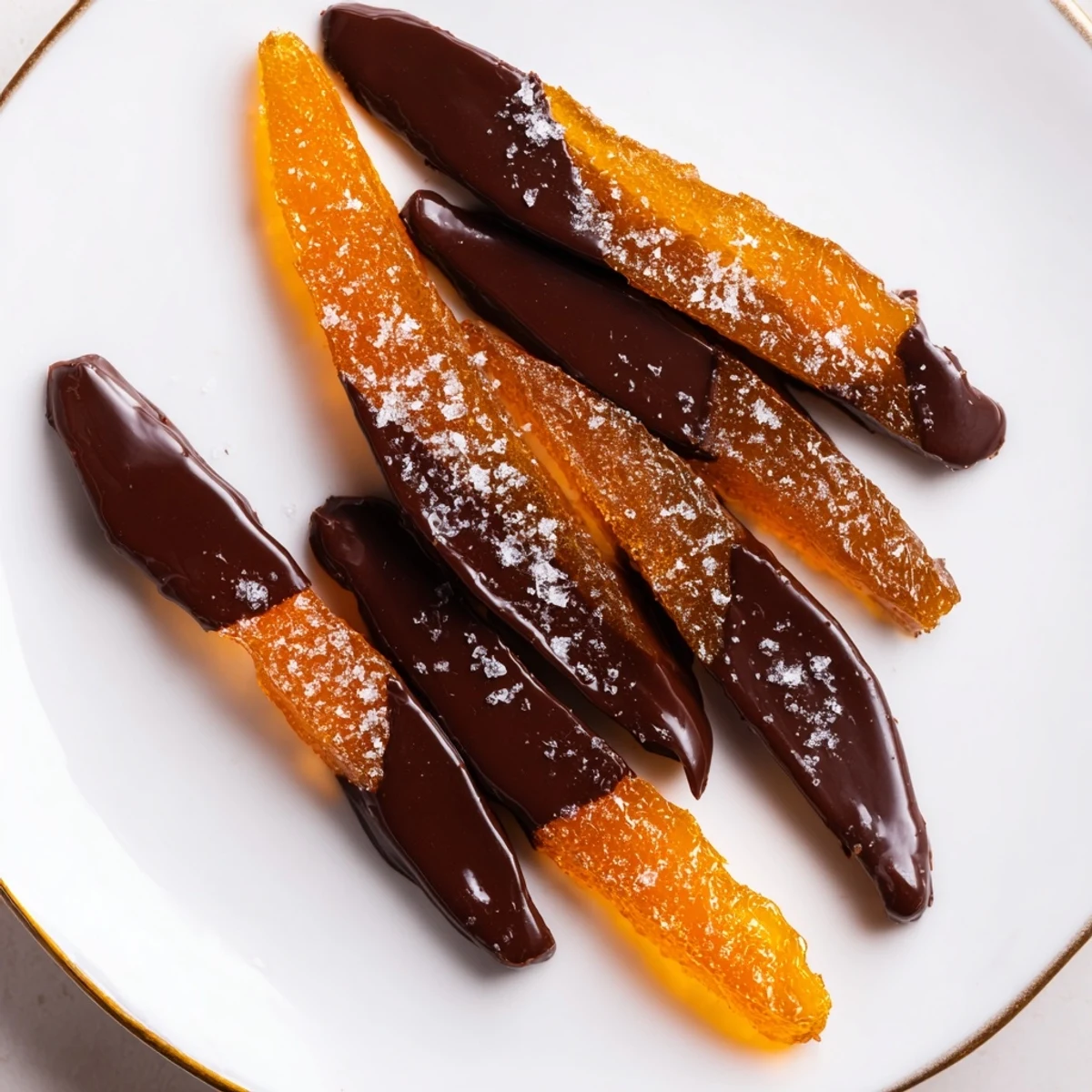
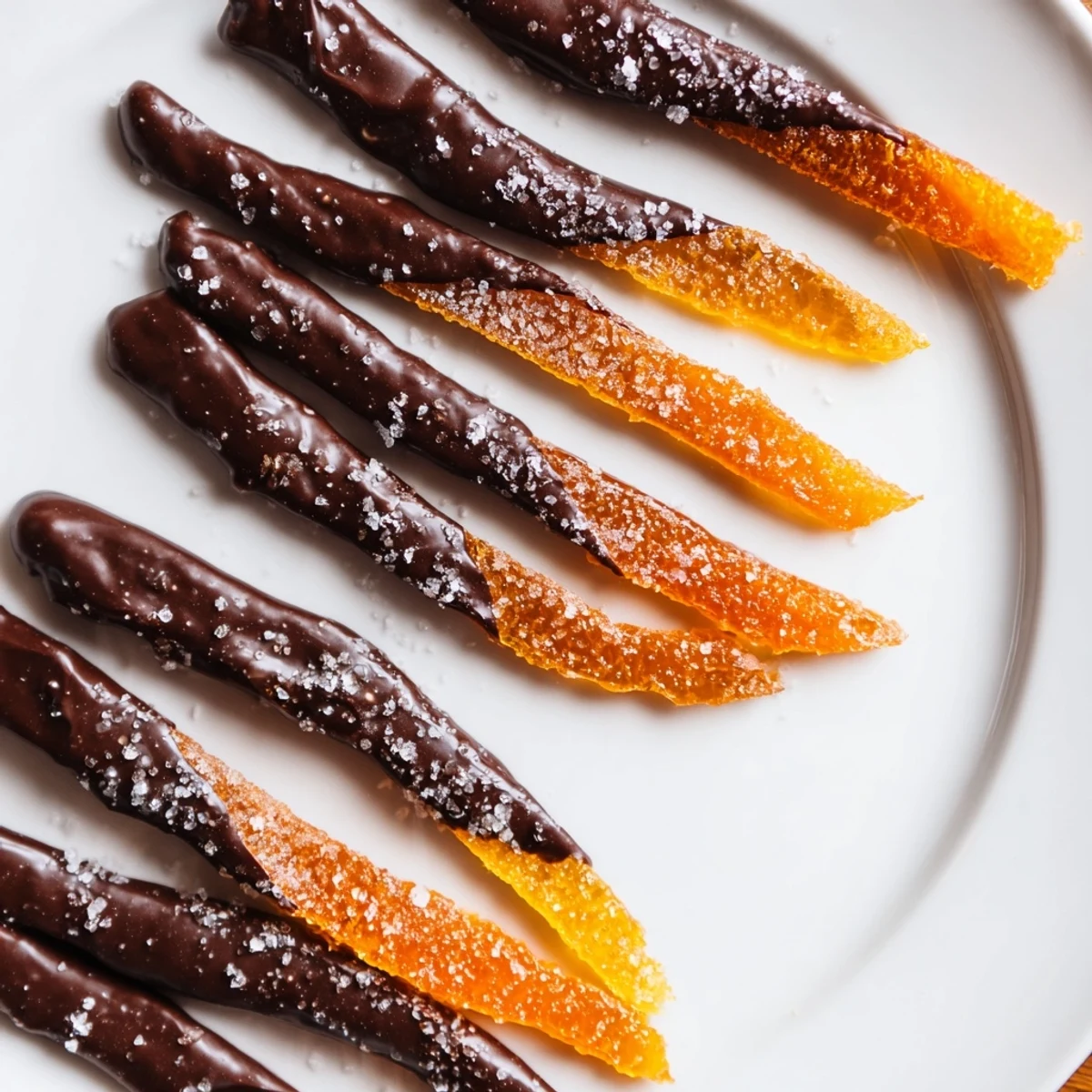
Once dried, each candied strip is dipped halfway into melted dark chocolate and finished with optional flaky sea salt. The result is a perfect balance of bright citrus sweetness and rich, slightly bitter chocolate.
Allow about 2 hours and 30 minutes total including cooling time. This European classic yields approximately 30 pieces and suits both vegetarian and gluten-free diets.
The smell of orange peel hitting boiling water is one of those kitchen scents that stops you mid thought, bright and sharp and almost alive. I started making these chocolate covered orange peels one December when I had a bag of oranges and no idea what to do with the skins. Now they show up in little tins every holiday season, tucked between tissue paper, and people always assume I bought them somewhere fancy.
My neighbor Sandra once watched me through the kitchen window while I was dipping peels and knocked on the door with a bottle of wine and a demand to be taught. We burned through two batches that evening laughing at how ugly our first attempts looked before we got the hang of it. The wine might have contributed to the ugly part.
Ingredients
- 3 large oranges: Use thick skinned navel oranges if you can find them because they give you wider peels that are easier to work with and hold more of that fragrant oil.
- 1 cup granulated sugar: Plain white sugar creates a clear syrup that lets the orange color shine through beautifully.
- 1 cup water: Just enough to dissolve the sugar and create a bath that slowly candifies the peels over gentle heat.
- 200 g dark chocolate at least 60% cocoa: Do not skimp here because cheap chocolate will seize or bloom and ruin all your patient work on the peels.
- 1 tsp flaky sea salt: Totally optional but that tiny crunch of salt on top of dark chocolate and citrus is the kind of detail that makes people close their eyes when they bite in.
Instructions
- Prep the oranges:
- Scrub the oranges well under warm water then score the peel from top to bottom in four vertical lines. Peel off the quarters carefully keeping the white pith attached because it helps the strips hold together during cooking.
- Cut into strips:
- Slice each peel quarter into strips roughly half a centimeter wide. Try to keep them somewhat even so they all candify at the same rate.
- Blanch the bitterness away:
- Drop the strips into a saucepan of cold water bring it to a rolling boil for two minutes then drain completely. Repeat this two more times and do not skip it because this is what separates delicious candied peels from face puckering regret.
- Build the syrup:
- Combine sugar and water in the same saucepan and bring it to a gentle simmer stirring until every grain dissolves. The liquid should look completely clear before you add the peels.
- Candify slowly:
- Slide the blanched peels into the syrup and let them simmer uncovered for forty minutes stirring once in a while so nothing sticks. You will know they are ready when they look slightly translucent and the syrup has thickened to a loose honey consistency.
- Dry on the rack:
- Lift each strip out with tongs and lay them on a wire rack set over parchment paper so air can circulate underneath. Give them at least an hour to become tacky and no longer wet to the touch.
- Melt the chocolate:
- Set a heatproof bowl over a pan of barely simmering water and break the chocolate into it stirring gently until completely smooth and glossy. You can use the microwave in short bursts but the bowl method gives you more control and a silkier result.
- Dip and finish:
- Hold each peel strip and dip it halfway into the chocolate letting the excess drip back into the bowl before placing it on fresh parchment. Sprinkle flaky salt over the wet chocolate if you are using it then leave everything alone for about thirty minutes until the chocolate sets firm.
 Save
Save I tied a batch of these with kitchen twine and brought them to a friend who had just come home from the hospital. She called later that night and said they were the first thing in a week that tasted like real food and she was rationing them one per hour.
Getting the Chocolate Right
Tempering the chocolate is not strictly necessary but it gives you that satisfying snap when you break a piece and prevents the dull bloom that happens when chocolate sets improperly. If you want to try it heat two thirds of your chocolate to 48 degrees Celsius then remove from heat and stir in the remaining third until the temperature drops to about 31 degrees. It sounds fussy but once you do it successfully you will never want to go back to simply melting.
Storing Your Peels
Layer the finished peels between sheets of parchment inside an airtight container and keep them at room temperature away from direct sunlight. They will stay good for about two weeks though in my house they never last more than three days. Avoid refrigerating them because condensation will fog up the chocolate and make the coating sticky.
Switching Up the Citrus
Grapefruit peels work beautifully with their rosy blush and more aggressive bitterness that pairs shockingly well with very dark chocolate. Lemon peels are brighter and more delicate and feel right at home dipped in white chocolate for a gentler sweeter treat.
- Meyer lemons in particular make a stunning version because their thin skins candify faster and their floral notes are heavenly.
- Mix different citrus peels in the same gift tin for visual variety and a fun tasting experience.
- Always taste a small piece of raw peel before committing to a full batch because some citrus is shockingly bitter and needs four blanches instead of three.
 Save
Save These little strips of sunshine wrapped in dark chocolate are proof that the best recipes often come from saving something you almost threw away. Make them once and you will find yourself buying extra oranges just for the peels.
Recipe Questions
- → Do I need to remove the white pith from the orange peels?
-
Keep some white pith for texture, but blanching the peels three times in boiling water reduces bitterness significantly. If you prefer a milder flavor, trim away more of the white layer before slicing.
- → What type of chocolate works best for dipping?
-
High-quality dark chocolate with at least 60% cocoa content pairs beautifully with the sweet candied peels. Tempering the chocolate gives a glossy finish and a satisfying snap when you bite into each piece.
- → How long do chocolate covered orange peels stay fresh?
-
Store them in an airtight container at room temperature for up to two weeks. Avoid refrigerating them, as moisture can cause the chocolate to bloom and lose its smooth appearance.
- → Can I use other citrus fruits instead of oranges?
-
Grapefruit and lemon peels work wonderfully with the same candying and dipping method. Each citrus brings its own flavor profile—lemon offers a sharper tang while grapefruit delivers a pleasant, slightly bitter note.
- → Why do I need to blanch the peels multiple times?
-
Repeated blanching draws out the bitter compounds from the peel and white pith. Three rounds of boiling for two minutes each ensures the final candied peels taste sweet and bright without unpleasant harshness.
- → Is it necessary to add sea salt on top?
-
Flaky sea salt is optional but highly recommended. A small sprinkle enhances the chocolate flavor and creates a lovely contrast with the sweet candied citrus, making each bite more complex and satisfying.